
There was a time when missing out on a release felt disappointing but manageable. If you missed a Secret Lair drop, you moved on and waited for the next one. Recently though, the feeling around new MTG releases has changed completely. Players are no longer frustrated because things are popular. They are frustrated because it feels impossible to even get a fair chance at buying them.
Whether it was the Monty Python Secret Lair, Marvel collaborations, the Dandan deck, or the recent Goblin Storm precon that reportedly disappeared in under an hour, the same conversations keep showing up everywhere online. Reddit threads explode overnight, Facebook groups turn into complaint sections, and Discord servers fill with screenshots of failed checkouts and endless queue times.
The complaints are almost always identical. Artificial scarcity. Scalpers buying everything instantly. Cards getting relisted online for double or triple the price before regular players can even finish checkout. Limited print runs replacing print-to-demand systems. A hobby that once felt accessible starting to feel more like sneaker reselling culture.
A lot of players are simply tired of it.
For many people, Commander is supposed to be the fun side of MTG. It is where friends build weird decks, try ridiculous interactions, and finally play cards they actually enjoy. But lately, even casual releases are turning into expensive collector pieces within minutes. Instead of excitement, every launch now creates stress. People set alarms, join waiting rooms early, refresh pages constantly, and still walk away empty-handed.
The Goblin Storm situation really pushed that frustration into the spotlight. Players watched the deck vanish almost instantly while resale listings started appearing online at absurd prices. That was the moment where many people stopped seeing these releases as community-focused and started seeing them as products designed around FOMO and scarcity.
That frustration pushed a huge part of the community toward a different solution. Proxies.
A few years ago, proxies were something people discussed quietly within private playgroups. Now the conversation is completely open. More players are realizing they do not actually want to spend hundreds of dollars just to test a deck idea or play cards locked behind artificial scarcity.
That shift is exactly why companies like Printingproxies have grown so quickly.
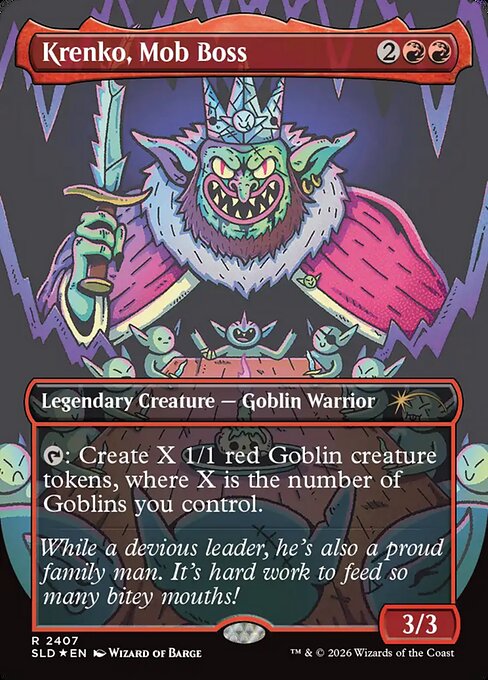
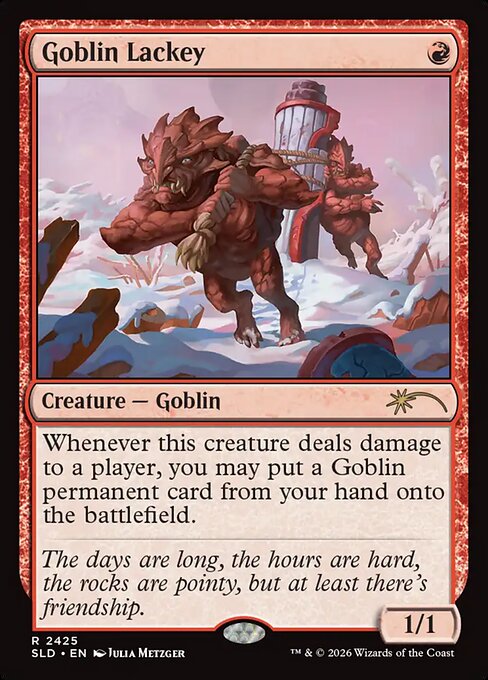
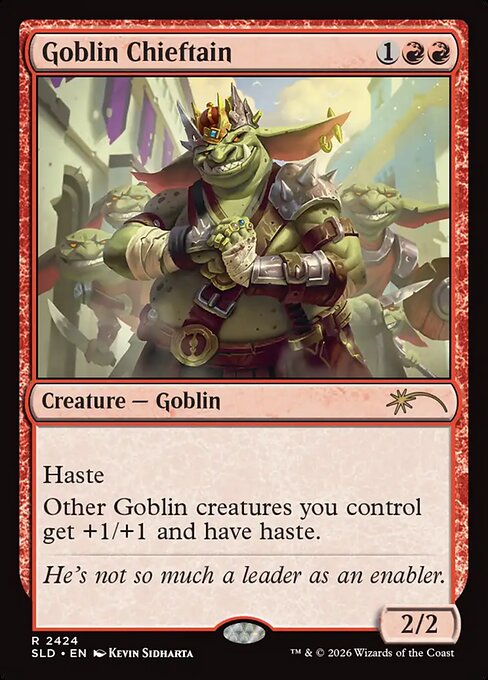
The idea is simple. Let people actually enjoy the game without treating every deck like a financial investment. Most players are not trying to flip cards for profit or scalp limited releases. They just want to sit down with friends and play the decks they love without worrying about whether a single card costs more than an entire night out.
Proxy printing became popular because it solved a real problem players were already talking about. People wanted access to cards without constantly fighting inflated resale prices, queue systems, and impossible product drops.
What makes this interesting is that many proxy users are still passionate MTG fans. They still support local game stores. They still buy sealed products they genuinely like. They still follow every spoiler season. They just refuse to let scalpers and artificial scarcity decide whether they get to enjoy the game.
At this point, proxy printing is no longer some small side trend. It has become the community’s answer to the current state of MTG economics. And as long as releases keep selling out in minutes while resale prices explode online, sites like Printingproxies will continue becoming part of how people choose to experience the game.